

"We can see the effect of nesting season checks in the forests: compared to last year, we have discovered fewer fellings in bird-rich old forests. However, no logging activity was found in the protected areas during the nesting season, even though the main focus of our checks is precisely in the protected areas," said Rainer Vakra, Director General of the Environmental Board. "Driving through the forest, one can see that more and more forest managers care about nesting peace, and neccessary work is planned for winter and autumn," said Vakra.
Forest inspections in the nesting period began on April 15th and will continue until June 30th. In order to ensure compliance with the nesting peace, almost 200 inspection raids have been carried out this year, during which nearly 2 thousand land units have been inspected. During this time, logging was discovered and stopped 13 times in old forests rich in birds. Another 17 times, loggigng was stopped outside protected or old forests due to detected nesting. No logging has been detected in protected areas.
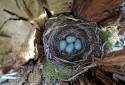
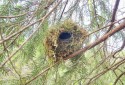
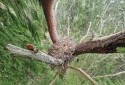
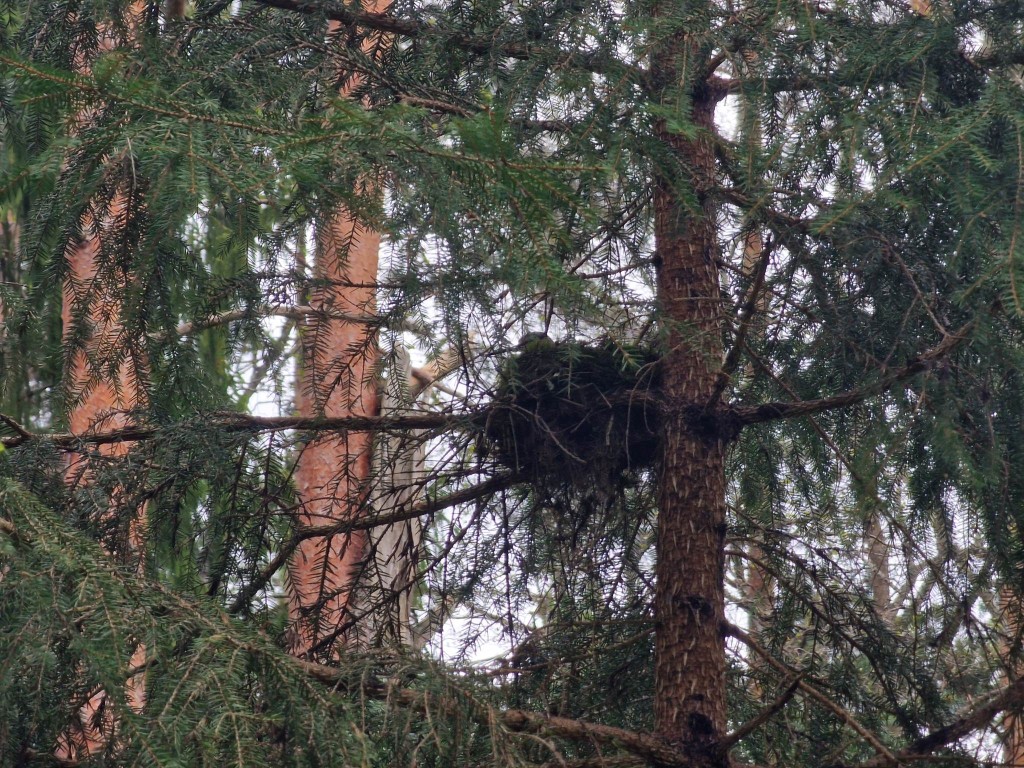
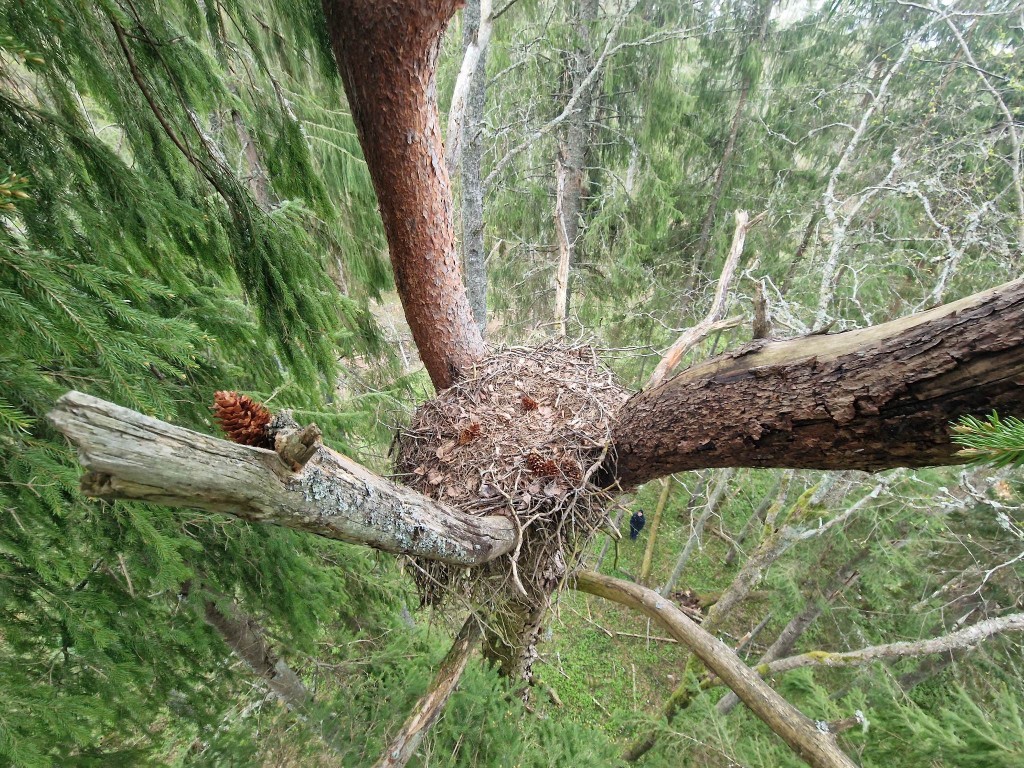
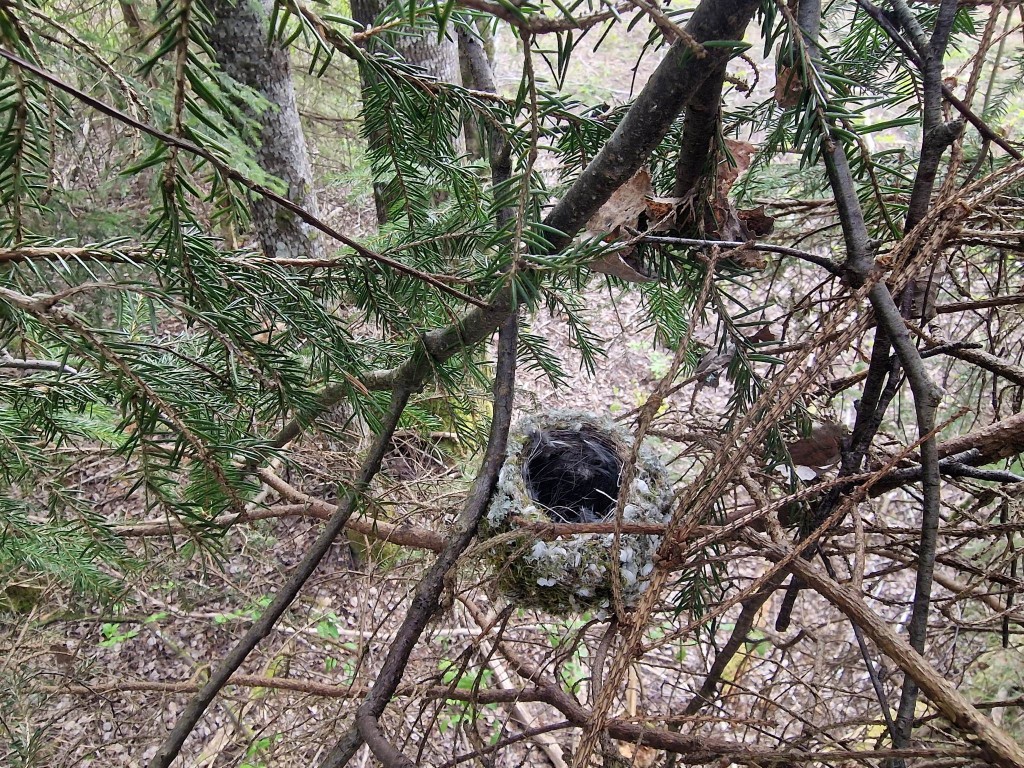
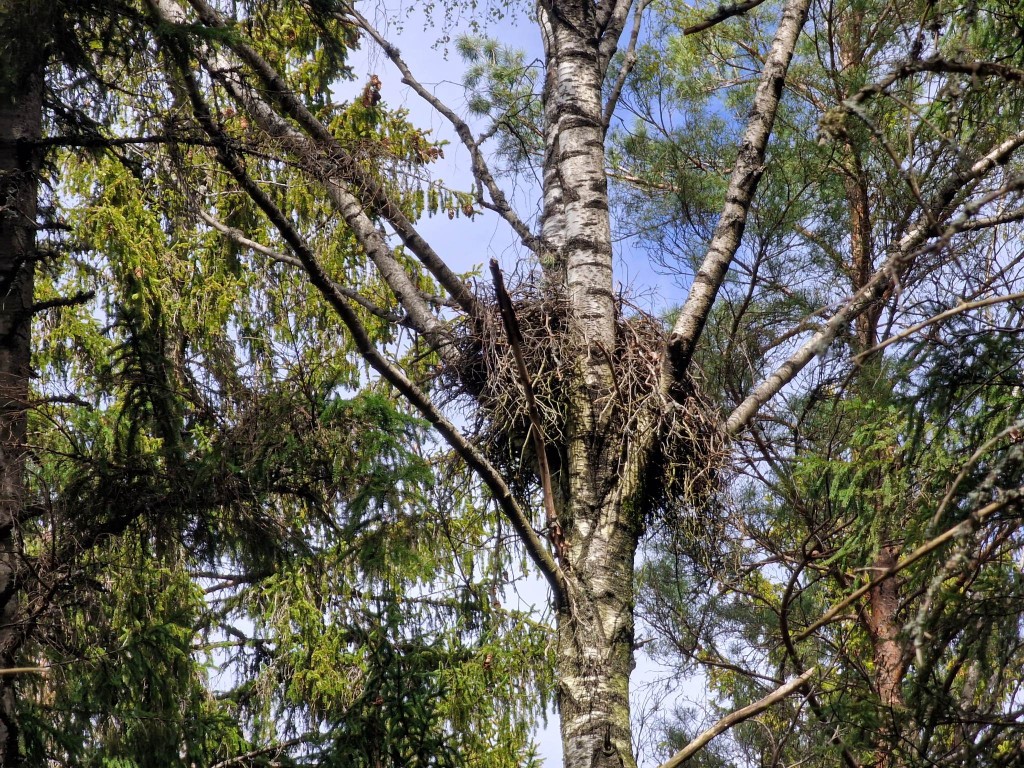
Inspections have also allowed inspectors to find nesting sites of category 2 and 3 protected bird species.
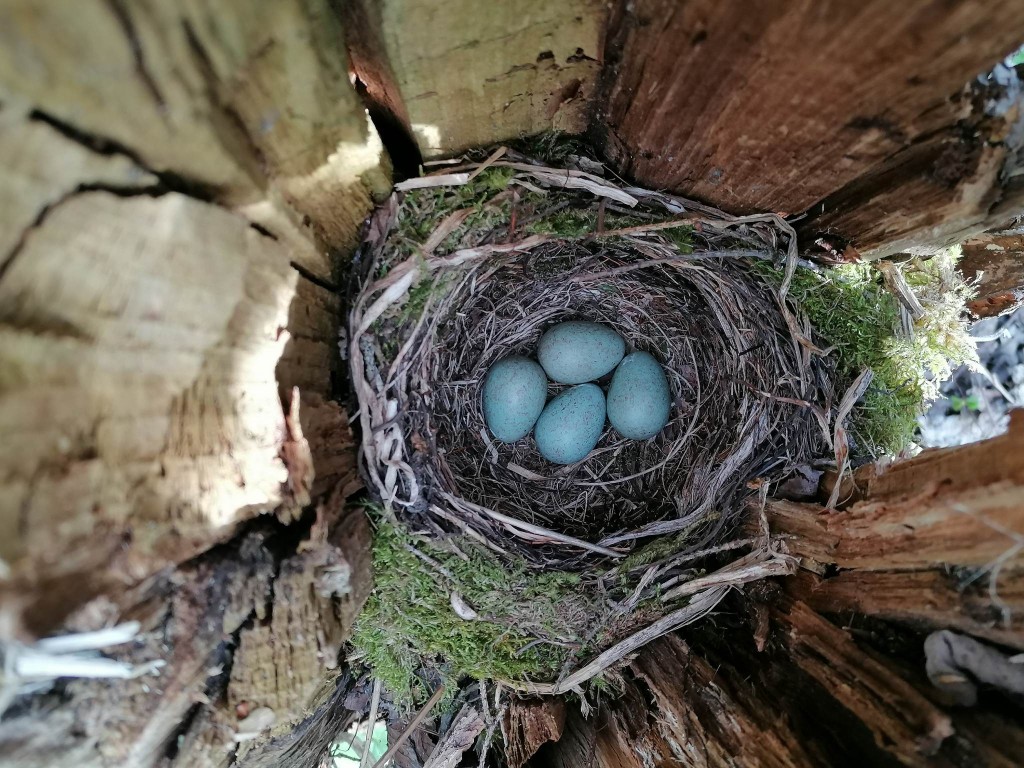
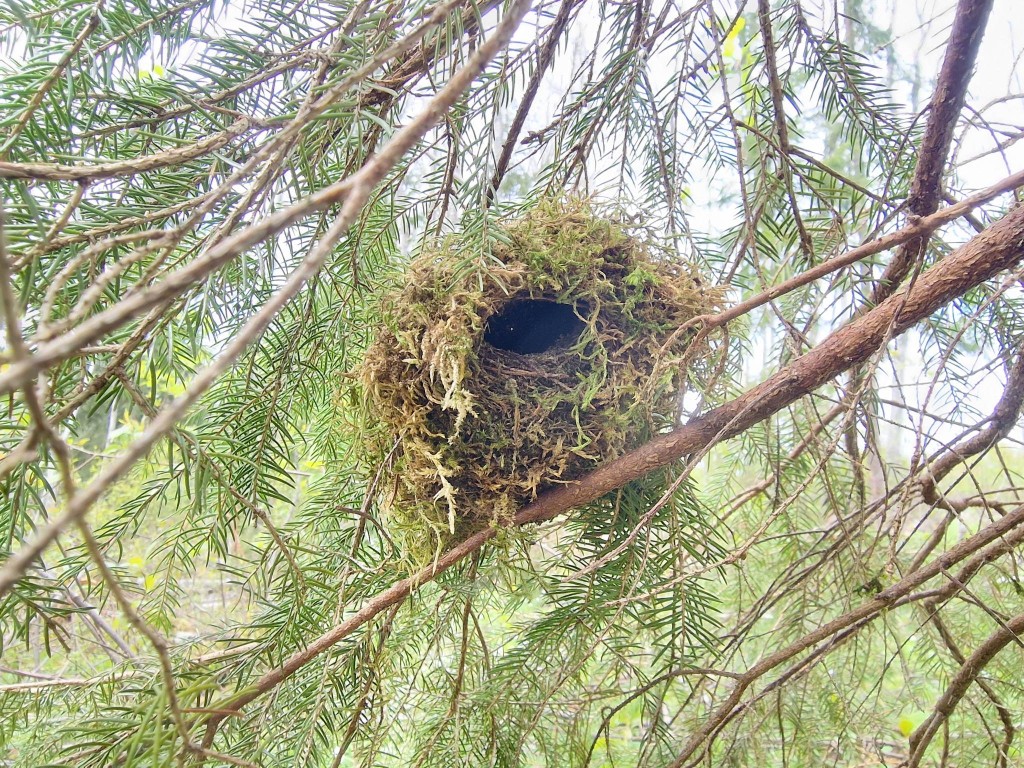
"Until now, a general cutting ban has not been established for the breeding season. Therefore, the environmental protection inspector must identify nesting birds on a specific piece of land in order to stop logging works. This is done either by the sounds of birds or by searching and finding bird nests with eggs or old birds," Vakra explained. "In the course of careful searches, we have discovered nesting of hen owl, great woodpecker and white-backed woodpecker in the areas intended for logging. All these birds belong to the II protection category, which means that there are few nesting places for them in Estonia," said Vakra.
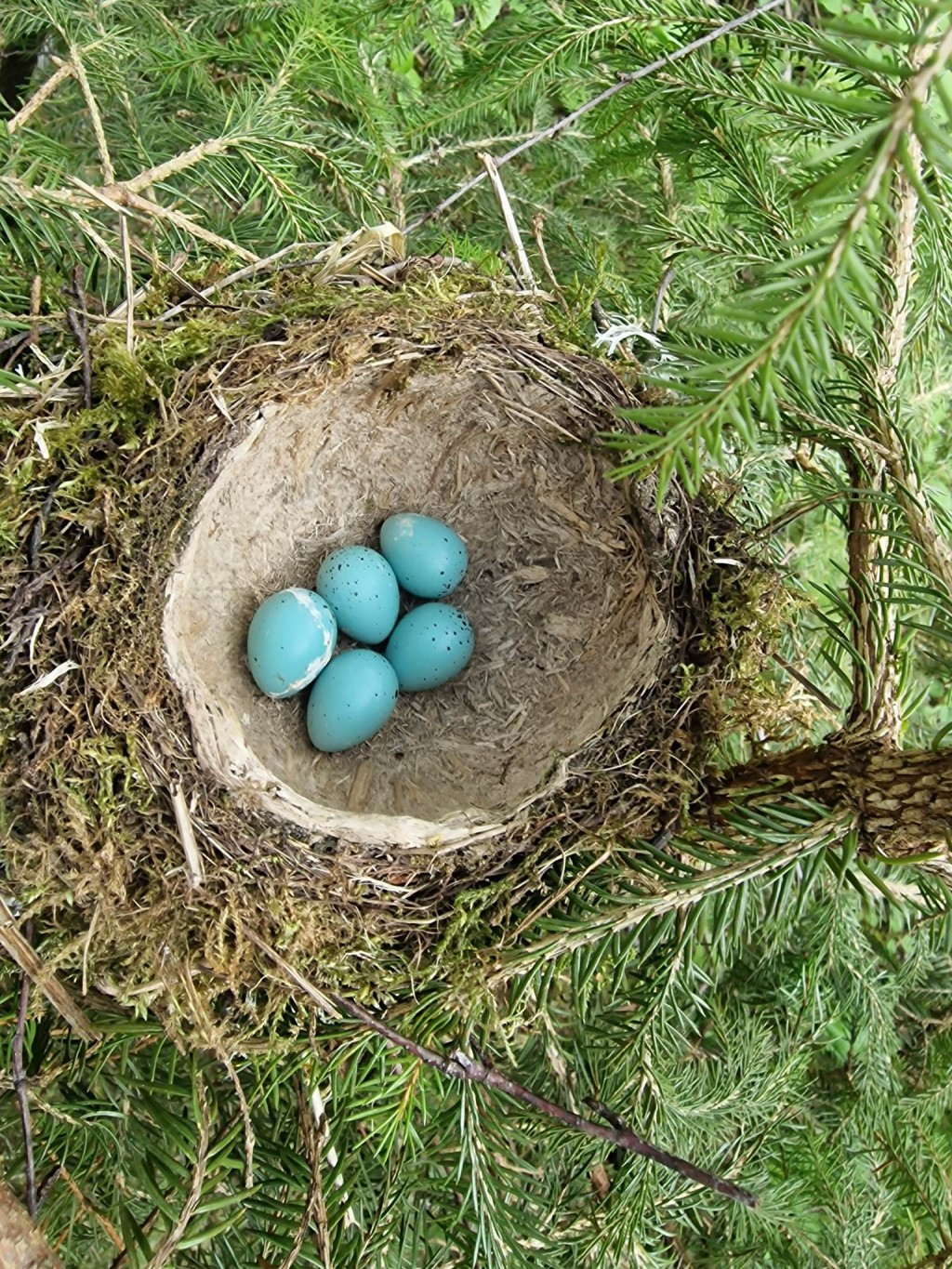
In addition, the woodcock, mouse vole, black woodpecker, tawny owl and horse thrush have been found; seven little flycatchers and three little spotted woodpecker nests. These birds belong to protection category III: the species are common in Estonia, but if the threat factors continue, their numbers may drop critically.
Disturbance of naturally occurring birds during nesting is prohibited by the Nature Conservation Act.
The Environment Board focuses on protected areas when planning nesting peace inspections and publicly shares the inspection principles and assessment matrix on its website. The purpose of the inspections is to inform the public and forest owners about the birds' nesting season and, if necessary, to stop logging in order to avoid destroying and damaging the nests or disturbing the birds' nesting.
Last year, logging was stopped 30 times during the nesting season, including 2 times logging had to be stopped in protected areas and as many as 21 times in old forests rich in birds.

