
In cooperation with the Finnish National Criminal Police, the Estonian Environment Board is investigating illegal waste shipments between the two countries. Parallel proceedings are being conducted both in Finland and in Estonia. The criminal proceedings in Estonia focus on waste shipments in 2019 and 2020, when, according to suspicions, a total of 40 loads containing more than 1,000 tonnes of waste oil and petroleum waste were shipped between Estonia and Finland without the required notification and accompanying documents.
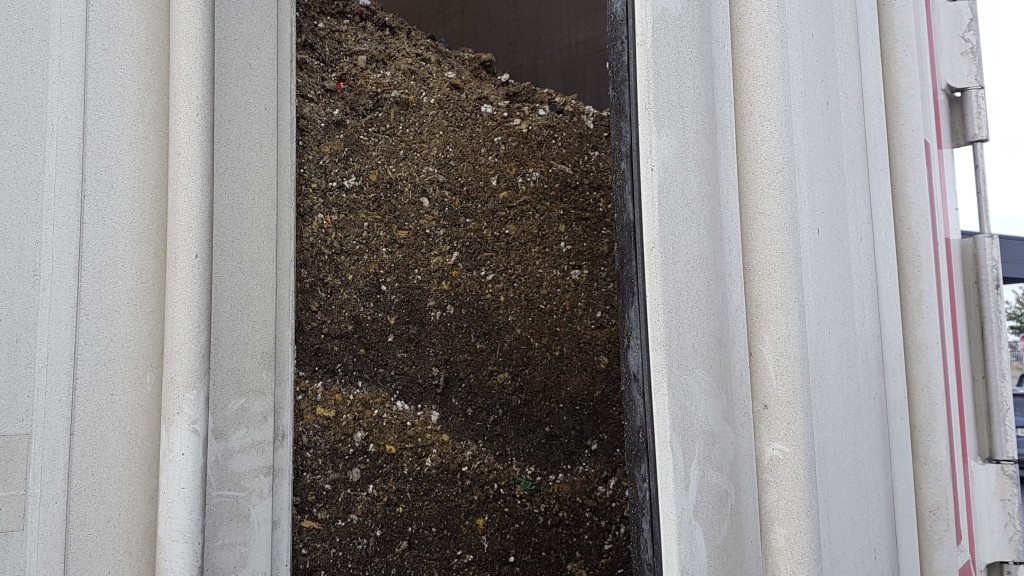
It is also suspected that 70 loads, or nearly 1,700 tonnes, of waste from the mechanical treatment of waste were shipped to Estonia in 2019 on the basis of a permit for construction and demolition waste, for which there was no corresponding permit. Waste processed in Finland was brought to Estonia for further treatment and, according to the suspicions, the representatives of both the company brokering the waste and the company receiving it in Estonia knew that the necessary authorisation for the transport and receipt of the waste was missing.
According to Jürgen Hüva, the District Prosecutor of the Northern District Prosecutor's Office in charge of the criminal proceedings, the data collected during the investigation showed that the members of the current and former boards of directors of the various companies were operating in a deliberate and concerted manner with the aim of saving on waste transport costs. „More than 100,000 euros could have been saved by transferring specific mechanical treatment residues to a company in Estonia that does not have a waste management permit, but more important is the risk to the environment posed by the improper management of prohibited waste.“
The Head Investigation Department of the Estonian Environmental Board Rocco Ots stressed that the specific requirements for waste management are necessary to ensure safety. „Illegal waste shipments pose a threat to both the natural environment and human health. Risks are mitigated, if material is handled and recycled when its composition is known and its potential environmental impact analysed. Waste containing petroleum products, on the other hand, poses a direct risk to the environment, if handled incorrectly and with inappropriate technology. Even finely shredded waste of unknown origin cannot be sorted afterwards and it is not possible to make sure that it does not contain hazardous substances. This is why there are specific requirements for the handling and transport of waste, and there can be serious consequences, if these are not respected," Ots explained.
The criminal proceedings will be carried out by a joint Estonian-Finnish investigation team. „In the case of illegal waste shipments, we are investigating a cross-border crime where we need to gather evidence in both countries and work closely together. A joint investigation team will allow the two countries’ investigation authorities to exchange information more quickly and in a simplified way. According to the agreement, each country will investigate crimes committed by its own citizens," the Prosecutor added.
Kind regards
Marie Aava
Press Adviser of the Northern District Prosecutor's Office
5309 3111

