

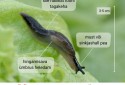
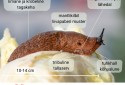
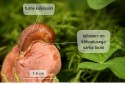
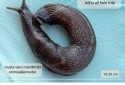



“The more we know about the spread of invasive slugs in Estonia, the easier it will be to start their termination in specific areas,” explains Eike Tammekänd, lead of the Environmental Board’s nature conservation bureau. The slug map can be accessed at teokaart.keskkonnaamet.ee and Estonians are encouraged to mark their slug sightings with as much accuracy as possible, alongside a picture of the animal.
Last year, the slug map was subject to around five thousand sightings, however the photos attached often showed local species. “The photo plays a large role in helping the slug map accurately show the spread of the invasive species. It helps us make sure that the correct species is being reported. Adding pictures of local species will, however, broaden our understanding of their spread,” said Eike Tammekänd.
The slug should be photographed from the side, to capture as many distinct characteristics of the species as possible. Several pictures taken from different angles can also be added. The author of the pictures can also leave their own contact information so that specialists can contact them with further questions, if necessary. This contact information will not be displayed publicly or spread.
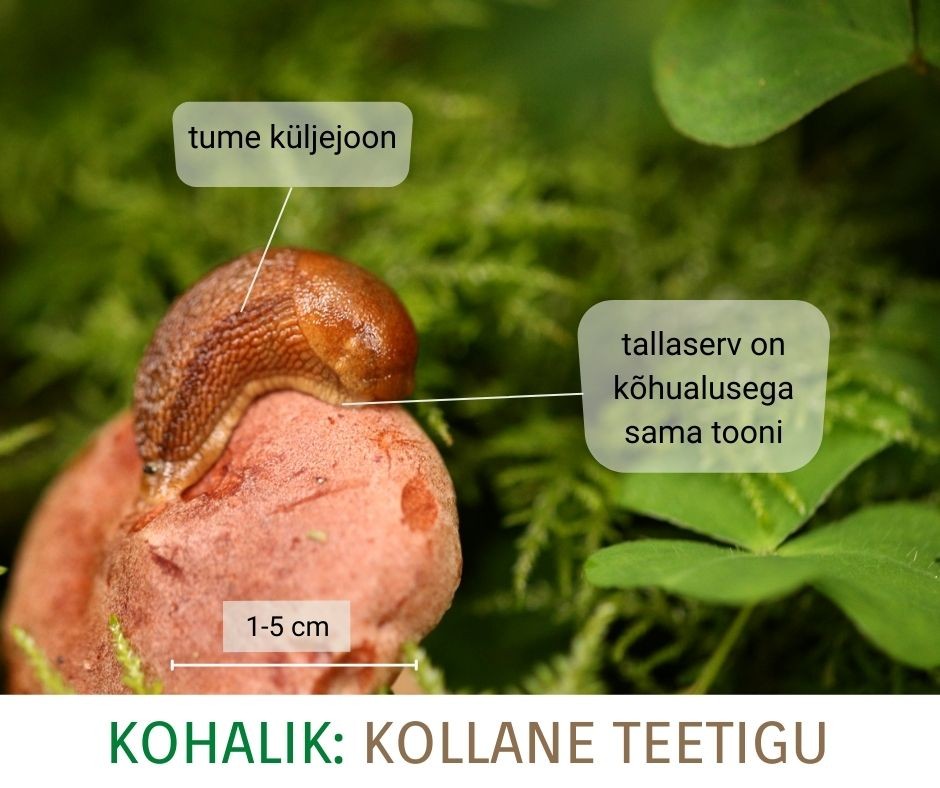
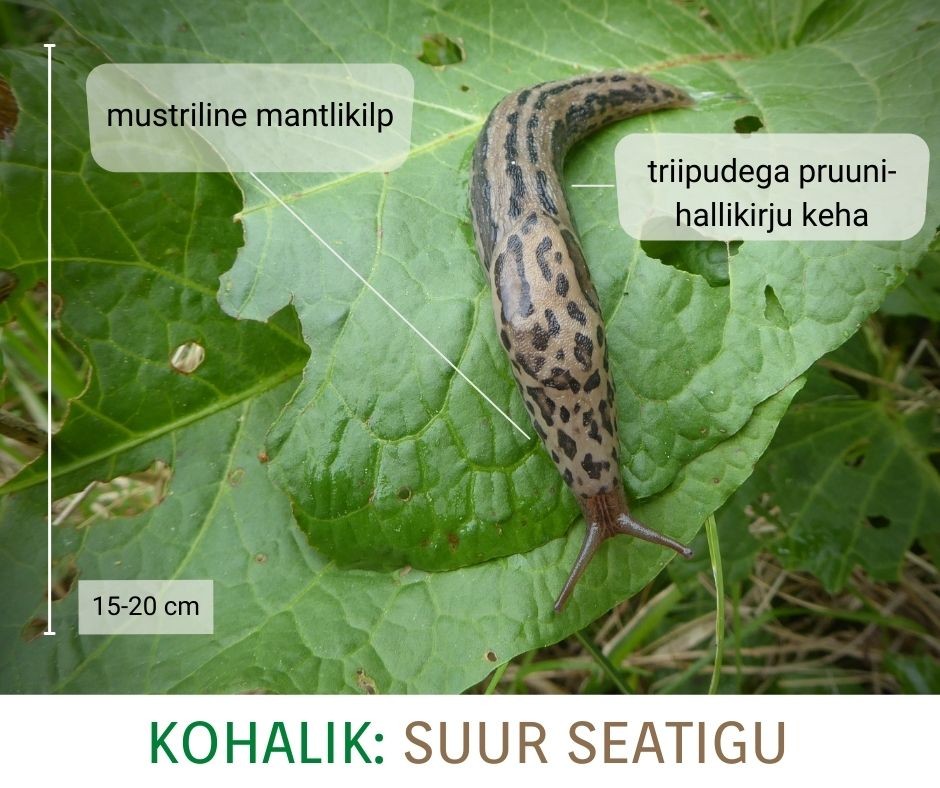
The new slug map will give users information on how to recognise the invasive species and some of the local species. This information is available in Estonia, Russian and English. The collected information is used to amend the national invasive species plan and to inform the public.
“Our knowledge about the spread and potential control of this species has improved significantly, however we are still lagging behind the slugs in this race. Until then, we recommend that communities work together as much as possible: collect as many invasive slugs in your neighbourhood as possible and destroy them with boiling water. Every destroyed adult specimen prevents the birth of 100-400 new slugs in the following year,” says Eike Tammekänd.
“It will probably be impossible to completely rid Estonia from the Spanish Slug and the Krynickillus Melanociphalus, however it is still important to stop their spread. This can only be done through cooperation,” stresses Tammekänd.
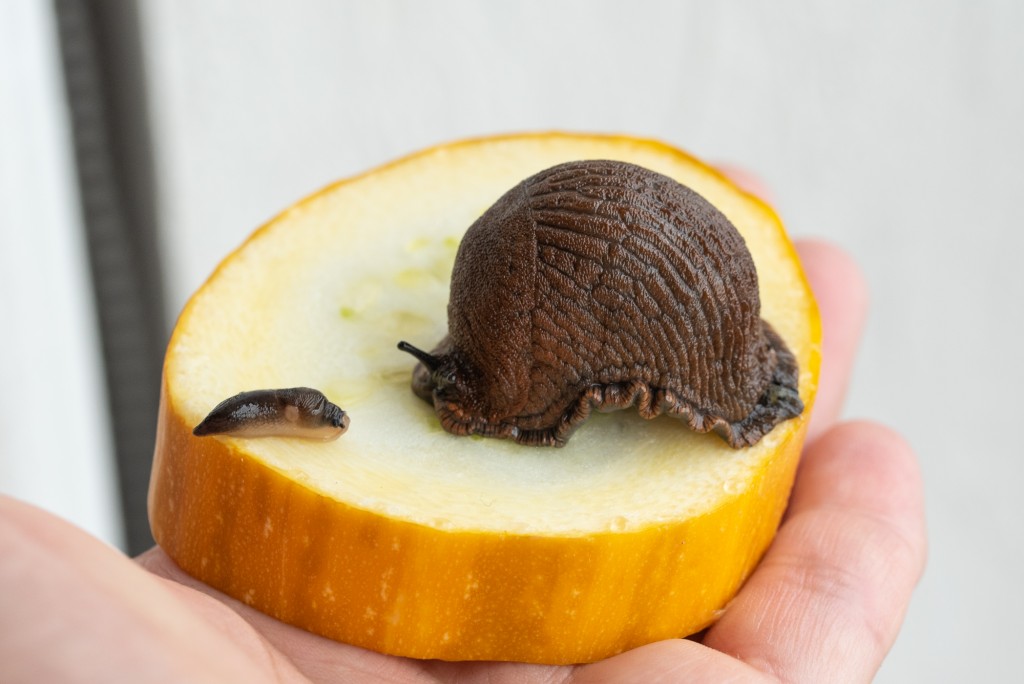
Before starting extermination of a slug, it is important to make sure that the species is indeed of the invasive variety. Local species might be of help in the extermination of the invaders by eating their eggs. The local slug population is small, and instead of feeding on garden plants, they eat mostly mould, creating humus as a byproduct.
Moist evening weather usually means more slugs, during dry and hot days, they tend to hide under loose boards, leaves, etc. The heat of this summer might have kept the number of slugs in check, however they will be back come rain.
There are 40 invasive species of animal, bird and plant in Estonia, with an additional 54 species in Europe. Nature conservation laws prohibit the release of invasive species into the wild, as they become a threat to the local flora and fauna. Invasive species and their rapid spread can harm both the environment and the economy.
- Further information on the invasive slugs can be found on the invasive slugs page.
- Locations and pictures of sighted slugs should be submitted to the Teokaart.

